Geological bodies formed during different periods in Taihang Mountain Zhangshiyan Geopark have undergone different phases of tectonic movement, and their structural styles and types show obvious differences.
Ancient orogenic belts and structural relics are mainly represented by folds and ductile shear zones developed in the Early Precambrian metamorphic complexes, exposed in the distribution areas of the Neoproterozoic Zanhuang Group, TTG rock series, and Paleoproterozoic Gantaohe Group strata. Structural analysis shows that the fold deformation in the study area can be preliminarily divided into four stages:
The first stage consists of intrafolial folds, rootless hook-shaped folds, and solid-state rheomorphic folds developed in the Zanhuang Group and Gantaohe Group;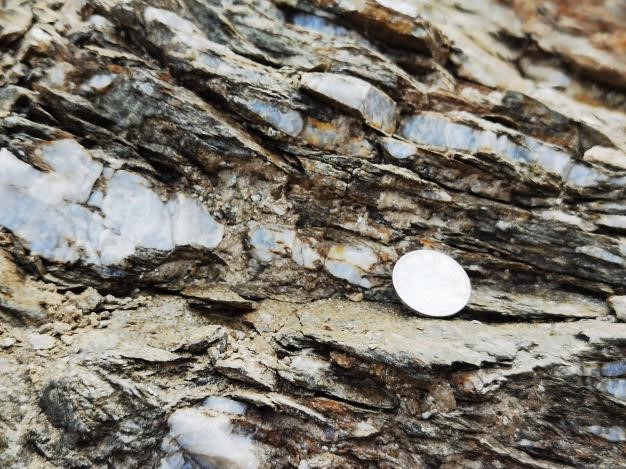
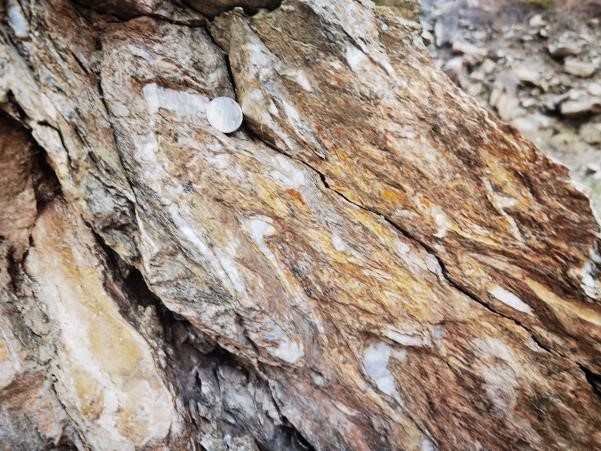
The second stage of folding is mainly characterized by recumbent folds with NWW-trending axial traces, which also bent the axial planes and axial traces of the earlier folds;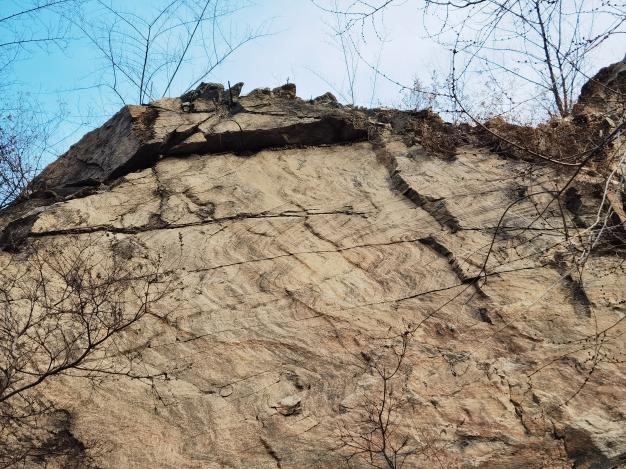
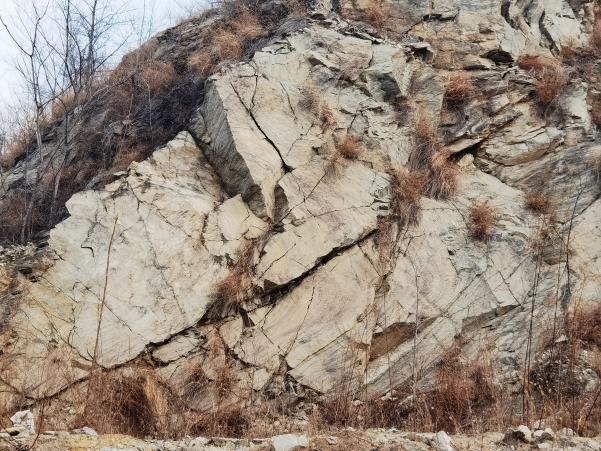
The third stage consists of similar overturned folds composed of schistosity or gneissosity, with NW-trending axial traces, developed in the Zanhuang Group and Gantaohe Group;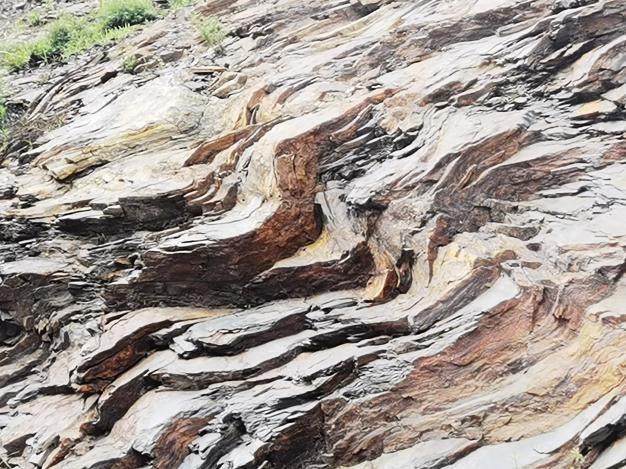
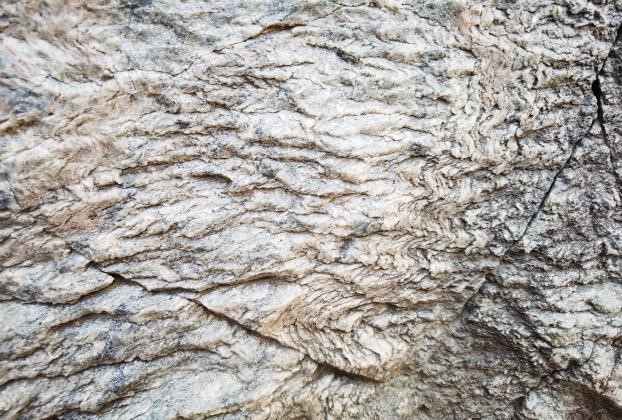
The fourth stage consists of open folds with NNE-trending axial traces and steep axial planes, developed in the weakly metamorphosed rocks of the Gantaohe Group and superimposed on the third-stage similar overturned folds.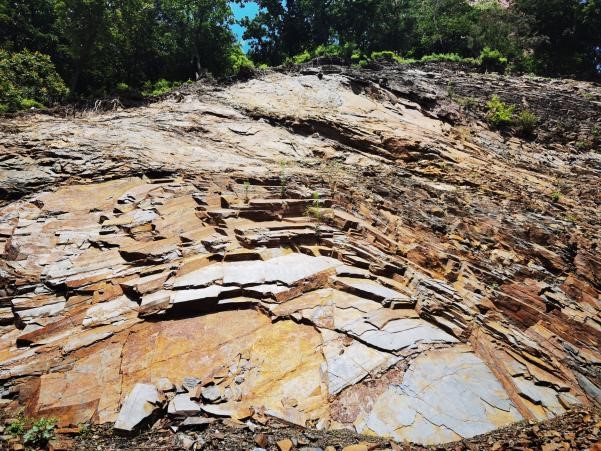
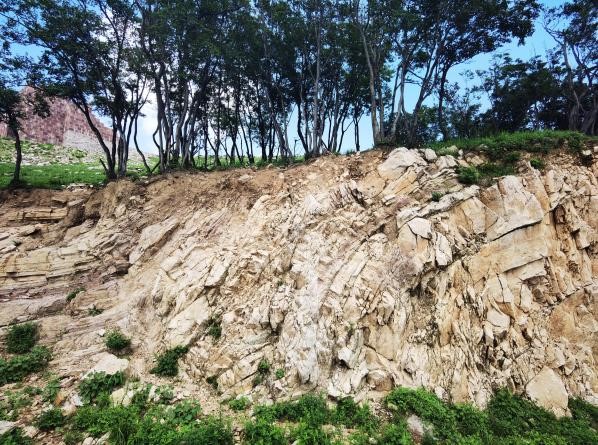
Ductile shear zones are developed to varying degrees in both the metamorphic supracrustal rock series of the Zanhuang Group and the Neoarchean TTG rock series within the Early Precambrian metamorphic complexes of the area. They are generally distributed in NNE-trending belts and are thrust-type ductile shear zones. Within these ductile shear zones, the rocks have undergone intense ductile deformation, and a series of S-C mylonites, protomylonites, mylonites, ultramylonites, and mylonitized rocks can be observed. The main microstructures include microfolds in sericite foliation, mica fish, quartz deformation bands, quartz subgrains, and kink bands.
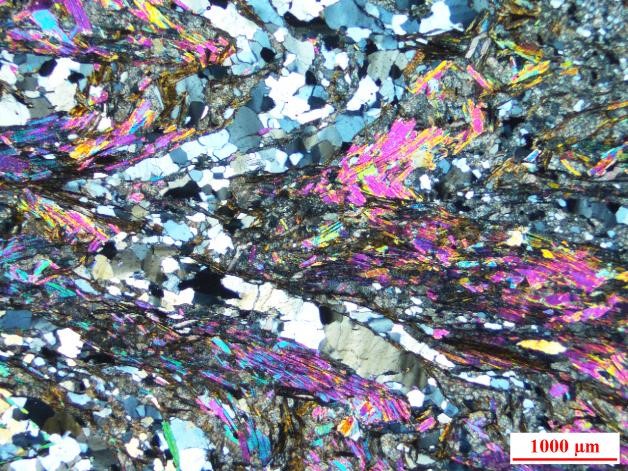
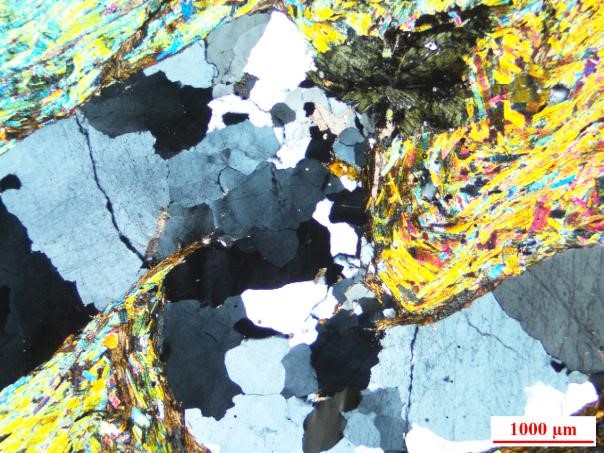
Strongly deformed geological structures are developed in the Neoarchean–Paleoproterozoic strata and rock bodies, such as large-scale thrust structures, rheomorphic folds, ductile shear zones, and sheath folds. These features are highly similar to those of the world-famous Alpine Mesozoic ancient orogenic belt, revealing that there existed orogenic belts in the Neoarchean–Paleoproterozoic comparable to those of the Paleozoic and Mesozoic. The Neoarchean–Paleoproterozoic orogenic belt of Taihang Mountain Zhangshiyan Geopark is one of the known orogenic belts in the world with clear evidence of orogeny, and it has important international influence. It is not only of great theoretical significance for revealing the formation and tectonic evolution of the ancient metamorphic basement, but also of great research value for geotectonic division and lithospheric evolution.